
Company Updates··3 min read
deetech Ranks #1 on the Podonos Audio Deepfake Detection Benchmark
deetech tops the independent Podonos audio deepfake benchmark: 99.56% accuracy on 4,524 clips, with just 0.4% of real audio flagged.
Read articleInsights on deepfake detection, digital forensics, and content authenticity.

Cloned voices and scam bots now call contact centers. How to stop them without shutting out the few machine callers you want.
Read article
Why accuracy misleads in deepfake detection, how prevalence and error costs set the operating point, where AUROC fits, and what to ask a vendor instead.
Read article
Comprehensive guide to every AI technology used in insurance fraud prevention — from ML pattern detection to deepfake analysis and voice cloning detection.
Read article
Spot AI-generated or edited claim photos, video and documents: visual red flags, metadata checks, context checks, AI detection and SIU escalation.
Read article
Comprehensive data-driven report on deepfake fraud in the insurance industry — scale, trends, attack vectors, detection rates, and what insurers must do now.
Read article
An unranked 2026 landscape of deepfake and media-fraud tools insurers evaluate, with each vendor's documented capabilities checked in September 2026.
Read article
A 2026 buyer's guide to insurance fraud detection software: must-have features from deepfake detection to forensic reports and claims integration.
Read article
Compare the four categories of deepfake detection tools against what insurance claims need: media coverage, forensic output, integration, and testing.
Read article
A step-by-step model for the return on deepfake detection in insurance, with sourced baselines and clearly labeled assumptions you can replace.
Read article
Sourced insurance fraud statistics for 2026: US, UK and Australian fraud costs, fraud by line, and AI and deepfake fraud data, each linked to its source.
Read article
How much could deepfake fraud cost insurers? The verified baseline, the AI accelerants, and a transparent model of the added exposure in US P&C.
Read article
Sourced deepfake and AI fraud statistics for 2026: growth, losses, voice cloning, human detection rates and regulation, each linked to its original source.
Read article
A dated, sourced timeline of deepfake and AI-generated fraud incidents, alerts and research relevant to insurance, from 2022 to 2026.
Read article
Shift Technology scores claims, entities and networks and flags document fraud. Here is where a dedicated media-authenticity layer like deetech™ fits in.
Read article
FRISS scores claims, networks and underwriting risk, and its Media Check screens images and PDFs. Here is how deetech™ adds a dedicated media layer.
Read article
How deetech™ and Reality Defender compare for insurance claims: evidence types, document checks, reports, case workflow, deployment and pricing.
Read article
deetech™ vs Sensity AI for insurance claims: a forensic-investigation heritage versus an insurer-first workflow for photos, documents, audio and video.
Read article
What insurers should require from enterprise deepfake detection: claims media coverage, forensic reports, integration, scale, deployment and security.
Read article
Digital-first insurers are most exposed to deepfake fraud — and best positioned to deploy detection. How InsurTechs should approach AI media verification.
Read article
Comparing real-time deepfake detection at claims intake with batch processing for periodic review. Choose the right approach for your volume and workflow.
Read article
Why generic deepfake detection tools lose accuracy on real insurance claims media. The lab-to-production gap and the case for purpose-built solutions.
Read article
Deepfake detection built for banking focuses on identity and voice — not the document, photo, and video evidence that drives insurance fraud.
Read article
How deepfakes are being used in auto insurance fraud — from fabricated accident photos to manipulated dashcam footage. Detection strategies for insurers.
Read article
Claims need screening at scale, not just deep forensic analysis of a few files. Why forensic-only workflows leave most claims media unchecked.
Read article
How deepfakes and AI are used to fabricate property damage claims. Detection methods for synthetic storm, fire, water, and theft damage evidence.
Read article
How synthetic identities created with AI and deepfakes threaten insurance underwriting and claims. Detection strategies and prevention for insurers.
Read article
How deepfakes and AI forge medical records, fabricate telehealth consultations, and create synthetic prescriptions. Detection strategies for health insurers.
Read article
AI tools enable fraud rings to generate evidence at scale, coordinate multi-claim schemes, and evade detection. How insurers can identify and disrupt them.
Read article
A board briefing on generative AI fraud in insurance: the threat, an illustrative exposure model, the regulatory picture, and questions directors should ask.
Read article
Fraudsters iterate on generative AI faster than insurers update defenses. How the detection-evasion cycle works, and why layered detection holds up.
Read article
How deepfake detectors analyze images, video, audio and documents, why lab accuracy drops on real media, and what to check before you choose a tool.
Read article
A balanced look at insurer exposure over deepfake fraud: board oversight duties, regulator expectations, and the bad-faith risk of wrongly denying claims.
Read article
A plain-language guide to deepfakes for insurance professionals: what they are, how they're made, why insurance is a target, and how to respond.
Read article
Why deepfake detectors that score 95% on benchmarks can fail on real-world media: compression, domain shift, new generators, bias, and how to test.
Read article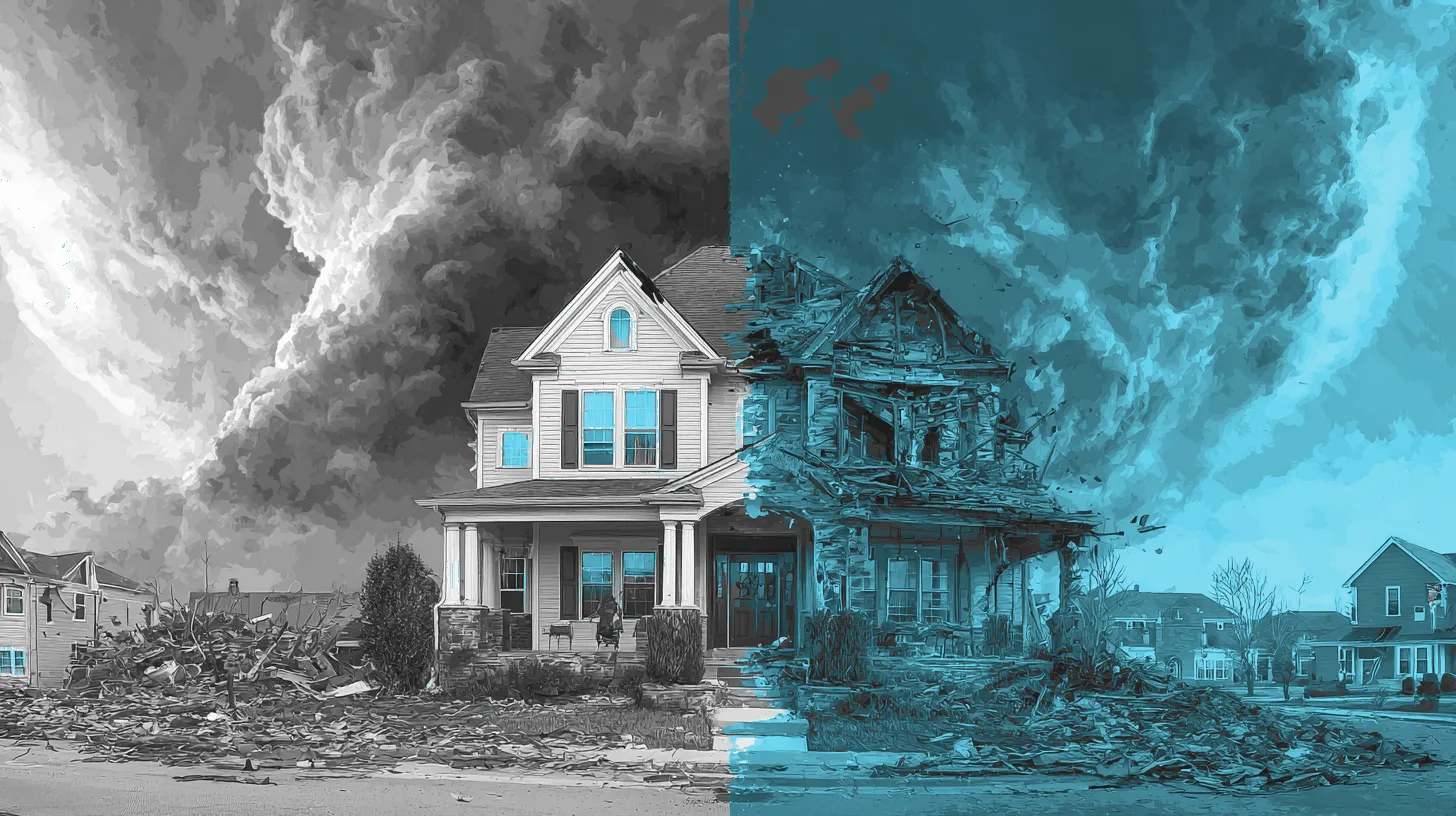
How AI-generated property damage images differ from real photos: pixel, frequency-domain, compression and metadata signatures, and how detection works.
Read article
How to tell if a photo, video, recording or document is real: provenance (C2PA and watermarks), deepfake detection, and verification, and their limits.
Read article
How fraudsters use generative AI to fabricate medical records and prescription documents for insurance claims — and how to detect them.
Read article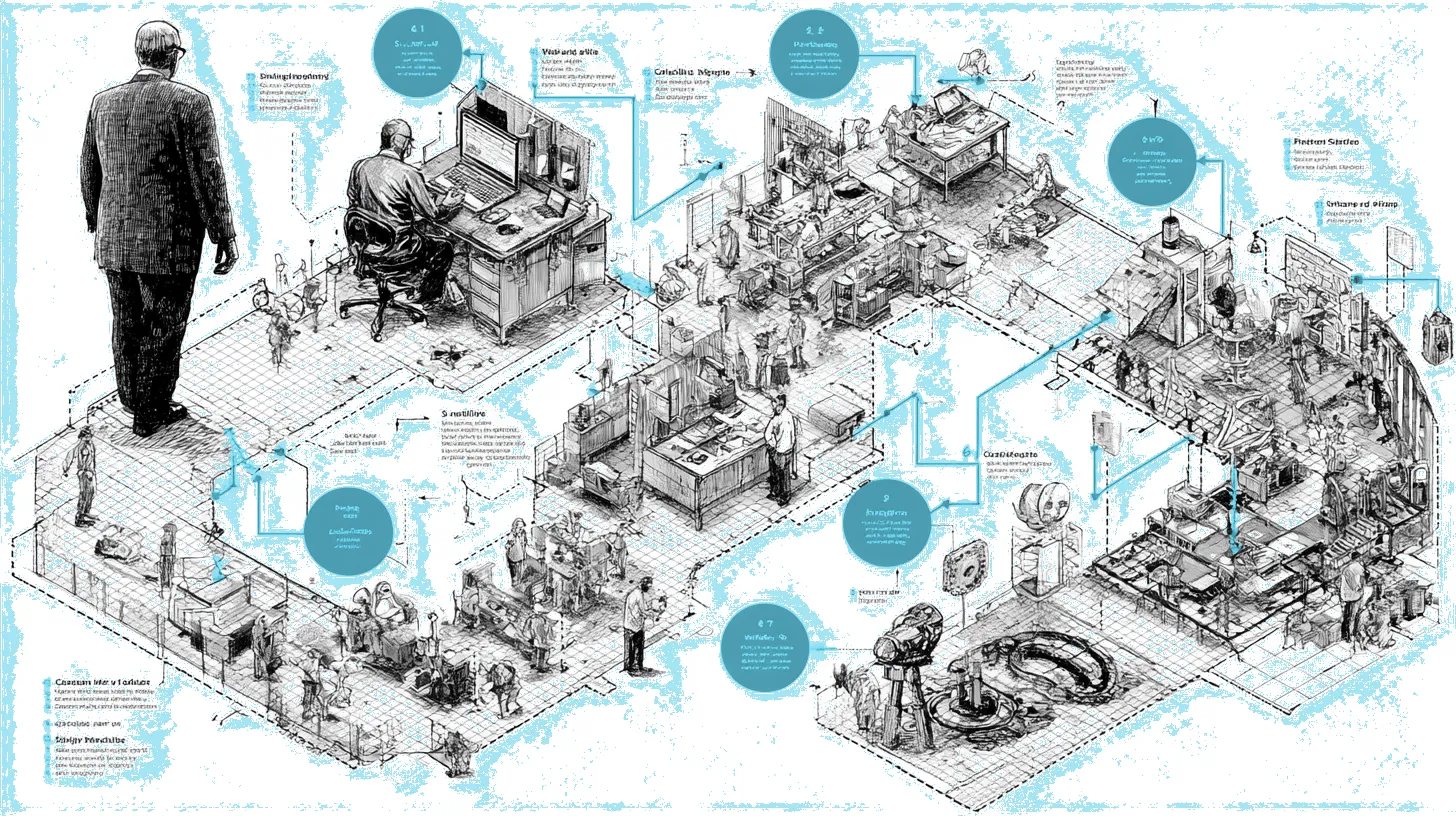
An end-to-end walkthrough of how fraudsters create and submit deepfake insurance claims — and the detection opportunities at every stage of the process.
Read article
AI-generated repair quotes, contractor estimates and edited receipts are reaching insurance claims. How they're made and how claims teams detect them.
Read article
How AI voice cloning enables insurance fraud through policyholder impersonation, including case scenarios for policy changes, beneficiary fraud, and claims.
Read article
How AI-generated photos and documents exploit disaster claims, what past catastrophes in the US and Australia teach, and the evidence checks that work.
Read article
Natural disasters create the perfect conditions for AI-generated insurance fraud — high volume, fast processing, and overwhelmed adjusters. How to detect it.
Read article
How deepfake technology enables telehealth fraud — fabricated consultations, impersonated patients and providers, and what health insurers can do about it.
Read article
How AI detects workers' compensation fraud — fake injury documentation, staged accidents, manipulated medical evidence. Detection approaches for insurers.
Read article
Australian insurers and deepfake fraud: APRA and ASIC expectations, local fraud figures, the ICA's counter-fraud work, and practical steps for claims teams.
Read article
How APRA's prudential standards — CPS 230, CPS 234, CPS 220 and CPG 235 — and its 2026 AI letter apply to insurers using AI deepfake and fraud detection.
Read article
How voice cloning is used in insurance fraud — fake customer calls, manipulated recorded statements, social engineering. Detection methods and protection.
Read article
How fraudsters use AI voice cloning to impersonate policyholders in insurance call centers, and the technical and procedural defenses insurers need to deploy.
Read article
How voice clones are made, how detectors spot synthetic speech, and a layered defense for calls and recordings, with current fraud data.
Read article
How to connect AI deepfake detection to Guidewire, Duck Creek and other claims platforms: API calls, webhooks, workflow triggers and a rollout checklist.
Read article
How AI-powered deepfake detection and forensic tools are transforming insurance SIU investigations. Dashboards, evidence management, and case workflows.
Read article
End-to-end claims investigation workflow with AI deepfake detection — from initial triage through SIU investigation, evidence building, and resolution.
Read article
Practical guide for claims adjusters on spotting deepfake fraud. Red flags, escalation procedures, and how AI detection tools fit into the claims workflow.
Read article
A reference architecture for surge-claims analysis: temporal, geographic, image, metadata, financial and network signals of coordinated deepfake fraud.
Read article
AI-powered document forgery detection vs traditional manual review for insurance. How each method handles police reports, medical records, and repair estimates.
Read article
How document tampering detection works: file structure, edit history, arithmetic checks, OCR and pixel forensics for forged or altered PDFs and scans.
Read article
How AI-powered video verification detects manipulated evidence in insurance claims. From metadata analysis to neural network artifact detection.
Read article
How deepfakes bypass KYC verification — injection attacks, synthetic identities, and face-swaps — and the detection technology to stop them.
Read article
How deepfakes bypass traditional KYC in insurance underwriting and policy issuance. The threat, regulatory implications, and detection strategies for insurers.
Read article
How the EU AI Act classifies insurance fraud and deepfake detection, the Digital Omnibus timeline, deployer duties, and where GDPR still applies.
Read article
What happens legally when AI flags a possible deepfake in a claim: reporting duties in the US, Australia, EU and UK, privacy limits and false-positive risk.
Read article
The NAIC AI Model Bulletin, its adoption across 25 states and DC, state AI rules, and a compliance checklist for insurers using AI deepfake detection.
Read article
US state insurance fraud reporting duties, deadlines and fraud bureaus, and how AI media detection supports the SIU investigations behind each referral.
Read article
Bias in deepfake detection models, the harm false positives do to honest claimants, regulators' fairness expectations, and a practical ethics framework.
Read article
A strategic guide for insurance executives on AI fraud prevention: organizational readiness, technology selection, rollout, change management and metrics.
Read article
What makes a deepfake forensic report defensible in insurance fraud cases: FRE 702, s79 expert evidence, CPR Part 35, and why bare AI scores fall short.
Read article
How injection attacks bypass cameras to insert synthetic media into insurance claims pipelines, why content-only checks can miss them, and how to defend.
Read article
How AI-manipulated police reports are being used in insurance claims, and the document forensics and verification workflows claims teams need to detect them.
Read article
42 questions insurers ask about deepfake detection: accuracy, false positives, claims-system integration, admissibility, pricing and pilots.
Read article
An A-Z glossary of 39 AI, deepfake and digital forensics terms every insurance professional needs in the age of synthetic media.
Read article
Forward-looking analysis of how AI-generated media will evolve and impact insurance claims. Emerging threats, technology trends, and preparation strategies.
Read article