FRISS and deetech™: Fraud Scoring Plus Media Authenticity
FRISS scores claims, networks and underwriting risk, and its Media Check screens images and PDFs. Here is how deetech™ adds a dedicated media layer.
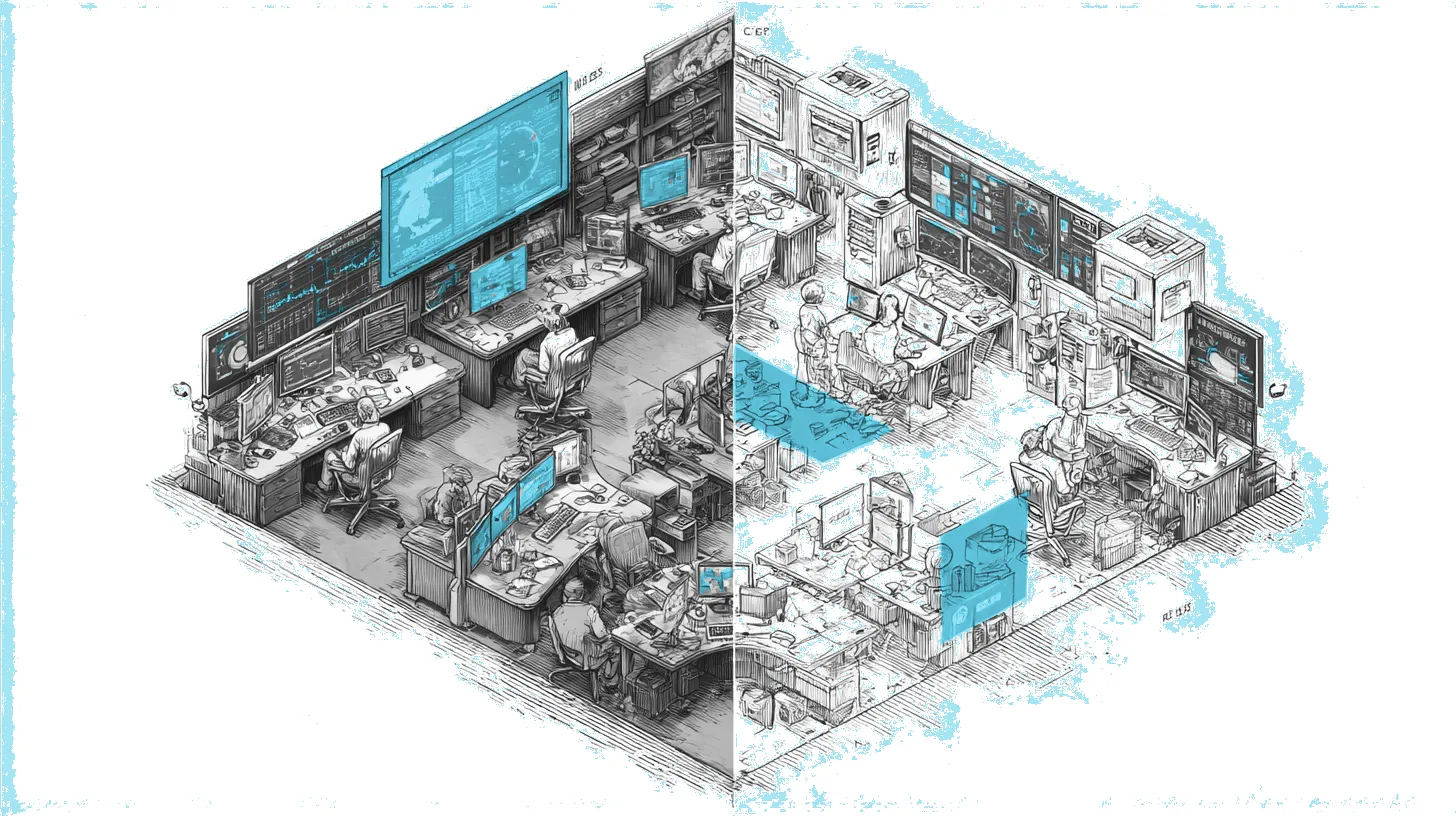
FRISS is a well-established fraud platform for property and casualty insurers. It reports more than 300 implementations in over 45 countries, with real-time risk scoring across underwriting, claims and investigations.
deetech™ is a dedicated media-authenticity layer for insurers. It analyzes the photos, documents, audio and video that accompany a claim.
The two are complementary. FRISS scores claims, entities and networks, and its Media Check product screens images and PDFs. deetech™ examines the media in depth. This article explains how the pieces fit together.
What FRISS Does
FRISS describes itself as a trust automation platform for P&C insurers. Its core capabilities include:
- Claims fraud scoring. Claims are scored in real time against internal and external data, so low-risk claims can be fast-tracked and suspicious ones routed for review.
- Network analysis. Relationships between claimants, witnesses, repairers and other parties are mapped to surface organized fraud.
- Underwriting risk assessment. Applications are screened for misrepresentation and risk at the point of sale.
- Investigations support. An enterprise investigations product supports SIU case handling.
- KYC and sanctions screening.
- Claims-system integration. FRISS lists integrations with Guidewire, Duck Creek and Sapiens, and offers validated accelerators on the Guidewire Marketplace.
FRISS codifies fraud indicators into consistent, automated scoring, so detection doesn’t depend on individual adjuster instinct.
FRISS Media Check
In 2025 FRISS launched Media Check. In July 2025 it incorporated the EU edition of Verisk’s Digital Media Forensic service into the product for European insurers (FRISS).
According to the FRISS Media Check page, the product covers:
- Duplicate image detection
- Image metadata extraction
- Image manipulation detection
- PDF document integrity checks
- AI deepfake detection for images
- JPEG, PNG, GIF, TIFF, BMP and PDF files
FRISS positions Media Check as part of a layered defense, delivered inside the claims workflow. For carriers already running FRISS, that is a meaningful first layer of media screening.
Where deetech™ Adds Depth
A claims fraud platform treats media as one input among many. deetech™ treats each file as the subject of its own examination, across more evidence types:
- Images. Analysis for synthetic or manipulated-media indicators, with configured forensic signals that help an investigator see what drove a result.
- Documents. Deterministic structural, arithmetic and fabrication checks, edit-history analysis, confidence-gated OCR, and pixel forensics on supported scans, for invoices, quotes, certificates and similar claims paperwork. Document analysis looks for manipulation. It does not verify identity.
- Audio. Uploaded-audio analysis for synthetic speech in recorded statements and voice notes. deetech™ ranked #1 of 23 systems on the Podonos audio deepfake benchmark (studio track), with 99.56% accuracy across 4,524 clips scored against labels only Podonos holds.
- Video. Uploaded-video analysis for dashcam, CCTV and walkthrough footage.
- Provenance. C2PA content-credential verification. Missing credentials are treated as unknown, not as proof of a fake.
- Reuse. Every uploaded image is fingerprinted and matched against your organization’s earlier submissions, flagging exact and near-duplicate copies (resized, re-compressed or lightly edited) that turn up again in another claim. Reverse image search through configured providers then checks for photos lifted from the web.
- Reports and workspace. Forensic PDF reports that document findings, methodology and limitations for qualified review, and a case workspace where investigators organize evidence.
- Live channels on Enterprise plans. Live call detection and live meeting detection on Zoom, Microsoft Teams and Google Meet, for claims interviews and video inspections.
Every deetech™ output is a review input for a qualified person: it supports adjuster and SIU decisions rather than making them.
How the Two Fit Together
| Layer | FRISS (incl. Media Check) | deetech™ |
|---|---|---|
| Claims fraud scoring | ✅ | — |
| Network and fraud-ring analysis | ✅ | — |
| Underwriting risk assessment | ✅ | — |
| Image reuse and manipulation screening | ✅ | ✅ |
| AI-generated image detection | ✅ | ✅ |
| PDF / document manipulation checks | ✅ | ✅ |
| Uploaded video analysis | — | ✅ |
| Uploaded audio / synthetic speech analysis | — | ✅ |
| Live call and meeting detection | — | ✅ Enterprise |
The rows marked ”—” for FRISS reflect the file types and capabilities FRISS publicly documents for Media Check as of September 2026, not a claim about its roadmap.
Integration Architecture
For carriers running FRISS, deetech™ runs alongside it:
Parallel processing
- Claim submitted → FRISS scores the claim → deetech™ analyzes the media → both results reach the claims or SIU view.
- Images often return in seconds. Video and deeper analyses run asynchronously and can take minutes, with signed webhooks notifying your system when results are ready.
Claims-system connection
- deetech™ integrates through a REST API and signed webhooks. Your team or implementation partner connects results to the claims system or SIU case view alongside FRISS scores.
- The batch API accepts up to 20 image, audio or document files per request on standard plans and up to 100 on Enterprise. Video is submitted individually.
SIU workflow
- FRISS flags claims based on data and network patterns.
- deetech™ flags media for review based on authenticity findings.
- When both raise concerns, SIU has a stronger basis for prioritizing the case.
Independence
- Neither system needs the other’s data to function, and either can be changed without affecting the other.
- Cloud by default. On-premises, air-gapped and private deployment are available on deetech™ Enterprise plans.
Questions for FRISS Carriers
If you already run FRISS, you have strong coverage of data and network patterns, and Media Check adds image and PDF screening. These questions help you decide whether you need more media depth:
- How much of your evidence is video or audio? Motor claims with dashcam footage, liability claims with CCTV, and claims with recorded statements all carry media that sits outside image and PDF screening.
- How would an AI-generated damage photo be caught and explained? Human judgment is not a reliable backstop: a 2022 study in PNAS found that people rated AI-synthesized faces as more trustworthy than real ones (Nightingale & Farid).
- What happens during a surge? After a major weather event, claim volumes climb and manual scrutiny thins. Plan how media checks will scale with your claims operation.
- Can your investigators explain a media finding to a manager, retained expert or tribunal, with a report that sets out methodology and limitations?
- Are live interactions covered? Synthetic voices and faces can appear in claims calls and video inspections, not only in uploaded files.
The Economics
Insurance fraud is expensive. The Coalition Against Insurance Fraud estimates that it costs the United States US$308.6 billion a year (CAIF, 2022).
Adding a media layer to an existing FRISS deployment is an incremental investment, not a replacement. deetech™ uses credit-based pricing. The free Pilot plan includes 50 credits on signup and 10 per month after that; Enterprise plans are negotiated. A Scan uses 1 credit and a Deep Scan uses 2, with audio and video charged per started minute. The right way to build a business case is to measure detection and review effort on a representative sample of your own claims media.
For the board-level view of generative-AI fraud risk, see the board-level briefing on generative AI fraud.
Looking Ahead
The line between data-pattern fraud detection and media authenticity will matter more as generative tools improve:
- Synthetic damage photos, repair quotes and certificates are becoming harder for people to spot.
- Voice cloning puts phone-based claims and recorded statements at risk.
- Synthetic and edited video is becoming practical for fraud.
Carriers that build media-authenticity capability now, alongside the fraud platform they already trust, will be better placed than those that wait.
Conclusion
FRISS is an effective fraud platform. It scores claims, maps networks and assesses underwriting risk across 300+ implementations, and Media Check brings image and PDF screening into the same workflow.
deetech™ is the dedicated media-authenticity layer alongside it. It covers images, documents, audio and video, verifies content credentials, produces forensic reports for qualified review, and, on Enterprise plans, extends to live calls and meetings.
The deepfake detection FAQ for insurance companies answers the questions carriers ask most often. For how deetech™ fits with another claims fraud platform, see Shift Technology and deetech™. For a wider market view, see the top deepfake detection tools for insurance in 2026.
To see how deetech™ helps insurers and claims teams verify the media behind every claim, visit our solutions page or request a demo.